Alti Tatra

Le informazioni che possono essere utili per il vostro viaggio.

Immagini di Alti Tatra


Immagini di Alti Tatra a Panoramio


Categorie commerciali Alti Tatra
Categorie di informazioni
Consigli di viaggio e avvertimenti Alti Tatra
Tourism Tourism in Slovakia offers natural landscapes, mountains, caves, medieval castles and towns, folk architecture, spas and ski resorts.
More than 1. 6 million people visited Slovakia in 2006, and the most attractive destinations are the capital of Bratislava and the High Tatras. [1] Most visitors come from the Czech Republic (about 26%), Poland (15%) and Germany (11%)
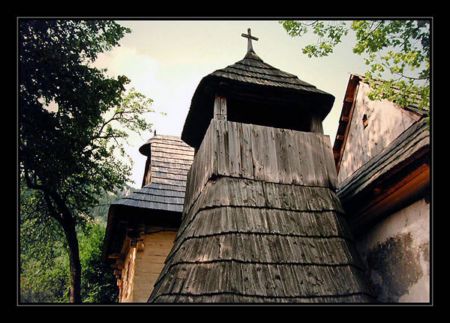
Sights Liptov Village Museum in Pribylina is available to the public since 1991. It was built with a water reservoir Liptovská Mara, in order to protect the most valuable movable and immovable monuments. In addition, wooden folk architecture (rural and old houses, village school, a smithy, belfry, and buildings), there are copies of two most valuable monuments of flooded area.
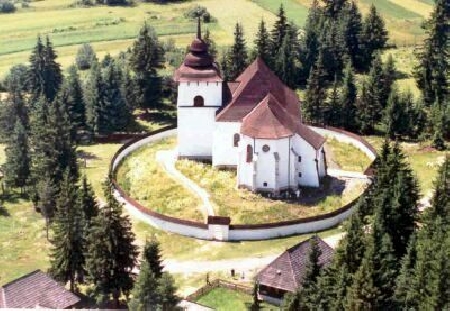
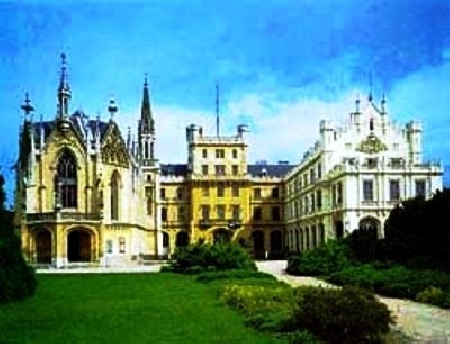
The early Gothic Church of Our Lady of Liptovská Mara and the Gothic-Renaissance chateau of Parížkovce, the oldest yeoman seat in Liptov. The museum has its own zoo exhibition. It focuses on domestic animals and poultry. Its specialty is breeding hucul horses with the possibility of riding for the visitors.
People One of the most popular events of High Tatras is the Goral Folk Festival. Folk group Goral is an amateur folk group in Ždiar, which currently has 35 members of the young, middle and older generation. It represents the authentic Goral culture with its songs, dances, melodies and especially with its clothing. Members of Goral DFSk are dressed in typical Goral costumes, whose base is as white as snow, whoch covers most of the steep peaks of Belianske Tatras, then black like the earth from which the Goral had a difficult grind to get a hunk of bread and red resembling the blooding sweat on his hands.
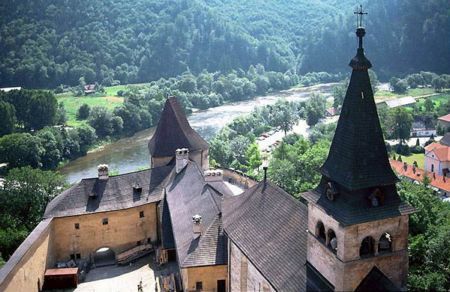
Another well-known folk festival is the folk festival in Červený Kláštor (Red Monastery) also known as Zamagura Folk Festival. The festival takes place at the natural amphiteater in June. In addition to local performers are Polish dancers, singers and musicians the most common guests who are closely related with the Goral culture and language. Festival includes folk grafts fair and tasting of traditional Goral dishes.
Climate The climate is mostly mountainous and alpine, thus cold and moist, and is heavily influenced by mountainous terrain. Snow covers the mountain from 180 (in valleys) to 250 (in most areas) days of the year. Here and there and in particular on the northern shady slopes and gutters are under the snow all year round. At the upper layer the snow cover reaches 100-150 cm and the rugged landscape causes frequent landslides.
Rainfalls occur due to prevailing westerly winds on the western and northern slopes. Windy weather is typical for the Tatras (up to 300 days per year). On the south side there are often „falling winds“ that cause refutings and broad fields. Tourists have to count with its sudden changes, especially when the output transitions to peaks or valleys are long, usually lasting 8-10 hours. The average annual temperature is about 5 °C, 15 °C in July. The best time for hiking is in the autumn when the weather is stable due to lower temperatures and there is also an excellent visibility at that time.

Alti Tatra, Slovacchia

Giovedi 4, Giugno

Da wikipedia su Alti Tatra

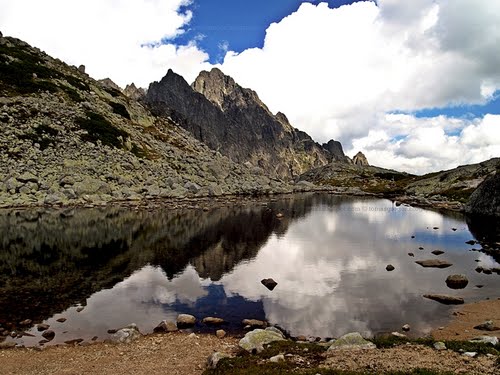
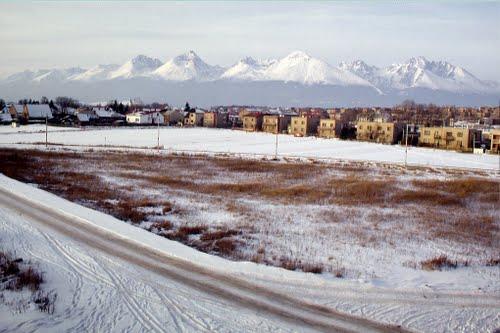
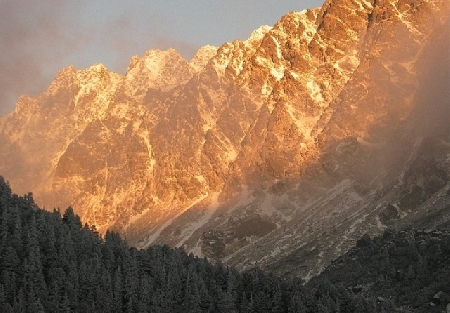
Le montagne degli Alti Tatra, o semplicemente gli Alti Tatra (in slovacco e ceco Vysoké Tatry, in polacco: Tatry Wysokie, in ungherese: Magas Tátra, in tedesco: Hohe Tatra) sono una catena montuosa al confine tra Slovacchia e Polonia. Fanno parte dei Monti Tatra orientali.

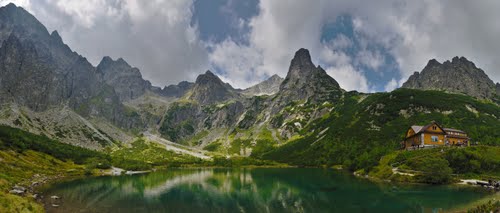
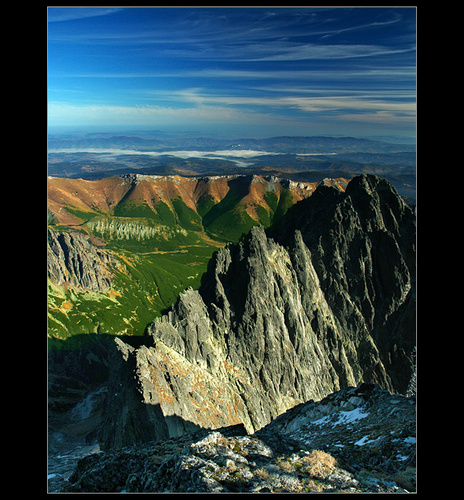
Gli Alti Tatra, con le loro 24 (o 25) cime a più di 2. 500 m di altezza, formano la più alta parte dei 1. 200 km di lunghezza dei Carpazi, e perciò sono l'unica parte della catena ad avere carattere alpino.

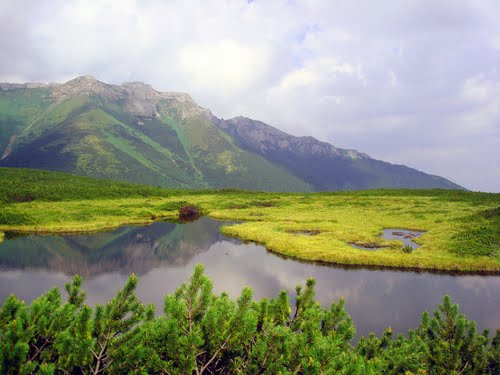
La maggior parte delle cime più alte degli Alti Tatra si trovano in Slovacchia. Il picco più alto è Gerlachovský štít, a 2. 655 m. s. l. m. Su queste montagne si trovano molte specie di animali e piante, come l'orso, la lince, il gatto selvatico, la faina, il lupo e la volpe. Esistono più di 1. 300 specie di piante conosciute.

La zona è molto conosciuta per gli sport invernali, con centri specializzati, tra i quali Štrbské Pleso, Starý Smokovec, e Tatranská Lomnica (tutti sono incorporati nella città di Vysoké Tatry, creata nel 1999) in Slovacchia e Zakopane in Polonia. La città di Poprad è la via di accesso ai centri di villeggiatura dei Tatra slovacchi.

Fu fondato proprio in questa zona il primo parco naturale europeo a cavallo tra due Paesi: il Parco Nazionale dei Tatra (Tatranský národny park - TANAP) in Slovacchia nel 1948 e nel 1954 in Polonia (Tatrzański Park Narodowy - TPN).
Description above from the Wikipedia, licensed under CC-BY-SA full list of contributors here.